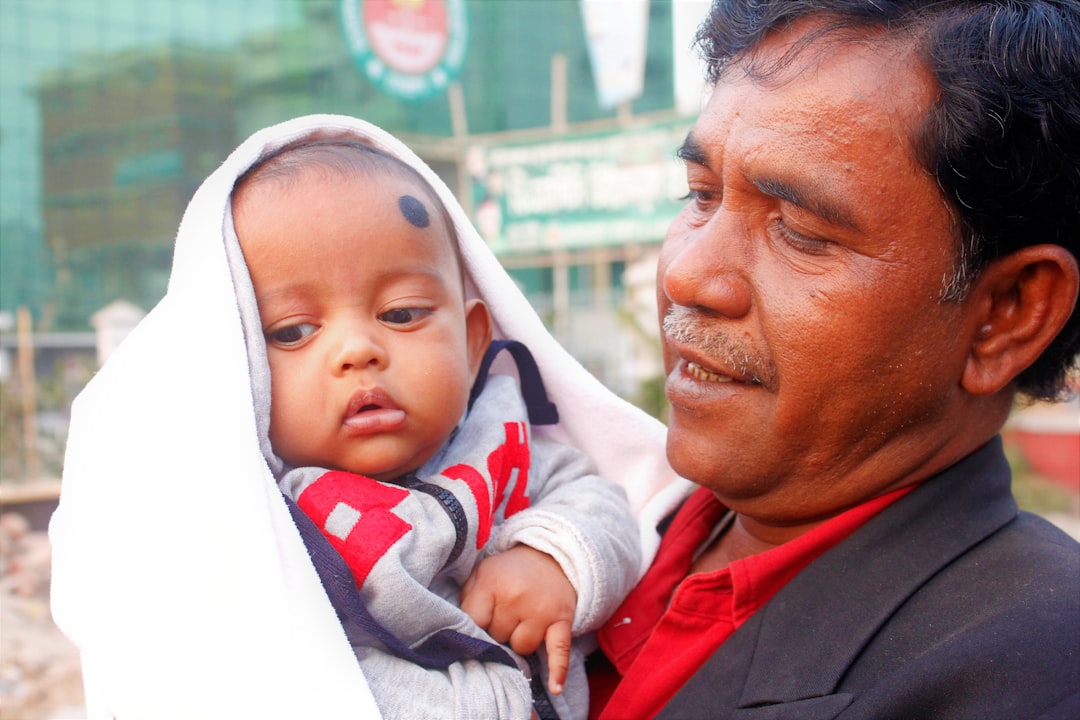
The resurgence of measles in Bangladesh serves as a stark reminder of the fragility of vaccination programs worldwide and their pivotal role in protecting public health. As the global health community continues to grapple with the ongoing effects of the COVID-19 pandemic, the situation in Bangladesh is a critical case study. It emphasizes not only the importance of vaccination for individual health but also the broader implications for community immunity and disease prevention. The outbreak has raised alarms among health professionals, prompting urgent calls for action to address gaps in vaccination coverage that have emerged due to recent changes in government policy.
The root cause of the current measles outbreak can be traced back to alterations in Bangladesh's vaccine procurement system following the 2024 political revolution. These changes disrupted the supply chain, leading to significant nationwide vaccine shortages. Reports indicate that the number of children receiving their measles vaccinations plummeted, creating substantial gaps in immunity. This lack of coverage has left vulnerable populations at risk, particularly in regions where healthcare access is already limited. Health officials estimate that hundreds of children have succumbed to the disease, a heartbreaking statistic that could have been prevented with adequate vaccination measures.
In response to the outbreak, health agencies are mobilizing resources to ramp up vaccination efforts. However, the challenges are manifold; logistical issues, public hesitancy, and lingering effects of the pandemic complicate these initiatives. Moreover, the outbreak has drawn attention to the need for a comprehensive strategy to not only restore but enhance vaccination programs in Bangladesh and similar contexts. It is critical that stakeholders, including government entities, NGOs, and international organizations, collaborate effectively to ensure sustainable access to vaccines and prevent future outbreaks.
The situation in Bangladesh reflects a broader trend observed in many parts of the world where vaccination rates have declined due to various disruptions, including political instability, economic challenges, and the ongoing impacts of the COVID-19 pandemic. The World Health Organization has issued warnings about the risk of resurgent vaccine-preventable diseases as immunization campaigns falter. The Bangladesh outbreak serves as a crucial case for understanding how interconnected our global health systems are and the importance of maintaining robust vaccination infrastructures.
CuraFeed Take: The resurgence of measles in Bangladesh is not just a local tragedy; it is a clarion call for the global health community to reassess and reinforce vaccination strategies. As vaccine hesitancy grows and supply chains face disruptions, we must prioritize investment in public health infrastructure and ensure that vaccination remains a non-negotiable pillar of healthcare policy. Stakeholders must learn from this crisis and develop strategies that not only address immediate needs but also enhance resilience against future outbreaks. The health of children worldwide hangs in the balance, making it imperative that we act decisively and cohesively to safeguard against preventable diseases like measles. The future of public health requires vigilance, collaboration, and a recommitment to vaccination as a cornerstone of preventive medicine.