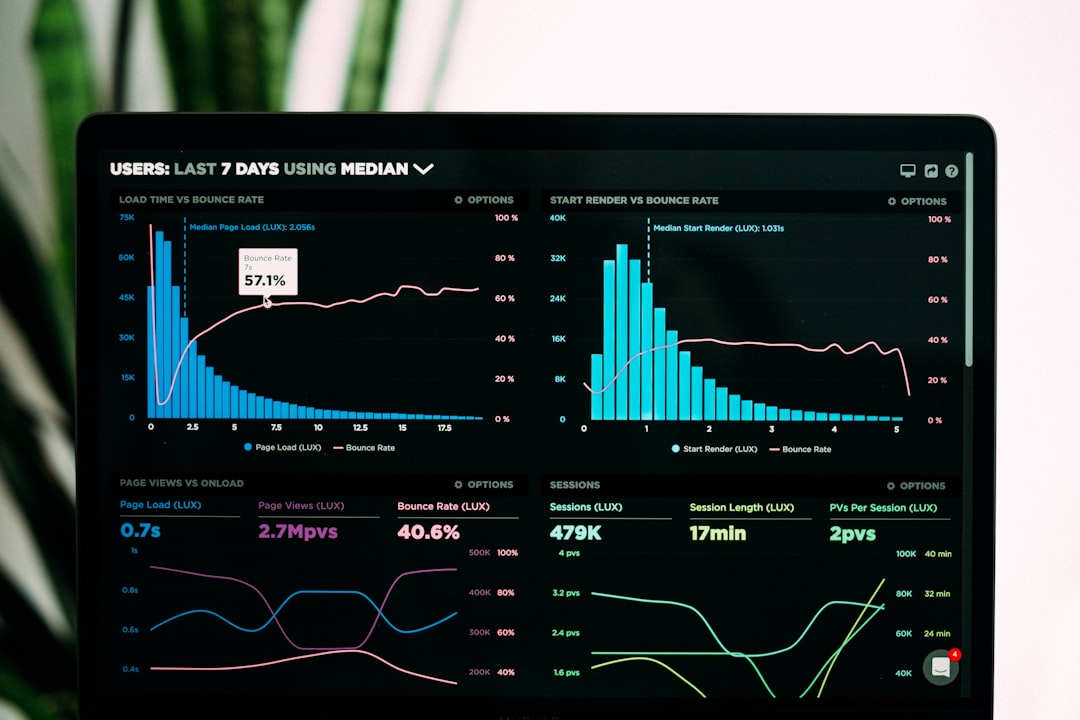
The rapid evolution of digital tools in the workplace has led many organizations to believe that real-time dashboards can revolutionize team collaboration. In an era where agility and efficiency are paramount, the idea of monitoring teamwork dynamics with instantaneous feedback seems like a dream come true. However, emerging research suggests that this dream may come with unintended consequences, as some organizations find that these tools can actually backfire, hampering rather than enhancing collaboration.
A recent study delves into the complexities of teamwork in the digital age, specifically examining the impact of real-time metrics on team performance. Researchers discovered that while the intention behind these tools is to foster transparency and accountability, the reality is far more nuanced. Teams often feel overwhelmed by constant updates that can create pressure and anxiety, leading to a decline in overall effectiveness. Instead of promoting a collaborative spirit, these dashboards can inadvertently breed competition among team members, detracting from the collective effort needed to achieve common goals.
The study, which involved a range of organizations that have integrated real-time feedback systems into their workflows, highlights the unintended consequences of technology adoption. Participants reported mixed feelings about the metrics being shared in real-time, with many expressing concern that these tools could lead to micromanagement and a lack of trust among team members. This is a significant finding, as it underscores the importance of balancing transparency with autonomy—two elements that are vital for fostering a healthy team environment.
Understanding the broader context of this research is essential for grasping its implications in today's AI-driven landscape. The rise of digital collaboration platforms has revolutionized the way teams interact, but the integration of real-time metrics has not been as straightforward as many had hoped. In an age where performance data is increasingly accessible, organizations must navigate a fine line between leveraging technology for improvement and avoiding the pitfalls of over-monitoring.
Moreover, the findings align with a growing body of literature suggesting that the effectiveness of digital tools in the workplace is not solely determined by their design but also by how they are implemented and perceived by users. The challenge lies in creating a supportive framework that encourages collaboration without the detrimental side effects that can arise from excessive oversight.
CuraFeed Take: This study serves as a crucial reminder that technology should enhance teamwork, not complicate it. Organizations that wish to implement real-time dashboards must tread carefully, ensuring that they foster an environment of trust and collaboration rather than one of constant surveillance and competition. Moving forward, it will be essential for leaders to focus on how these tools are used and perceived, emphasizing the importance of context and team dynamics in the digital collaboration landscape. As we watch this space evolve, it will be intriguing to see how organizations adapt their strategies to harness the benefits of technology while safeguarding the human elements that make teamwork truly effective.