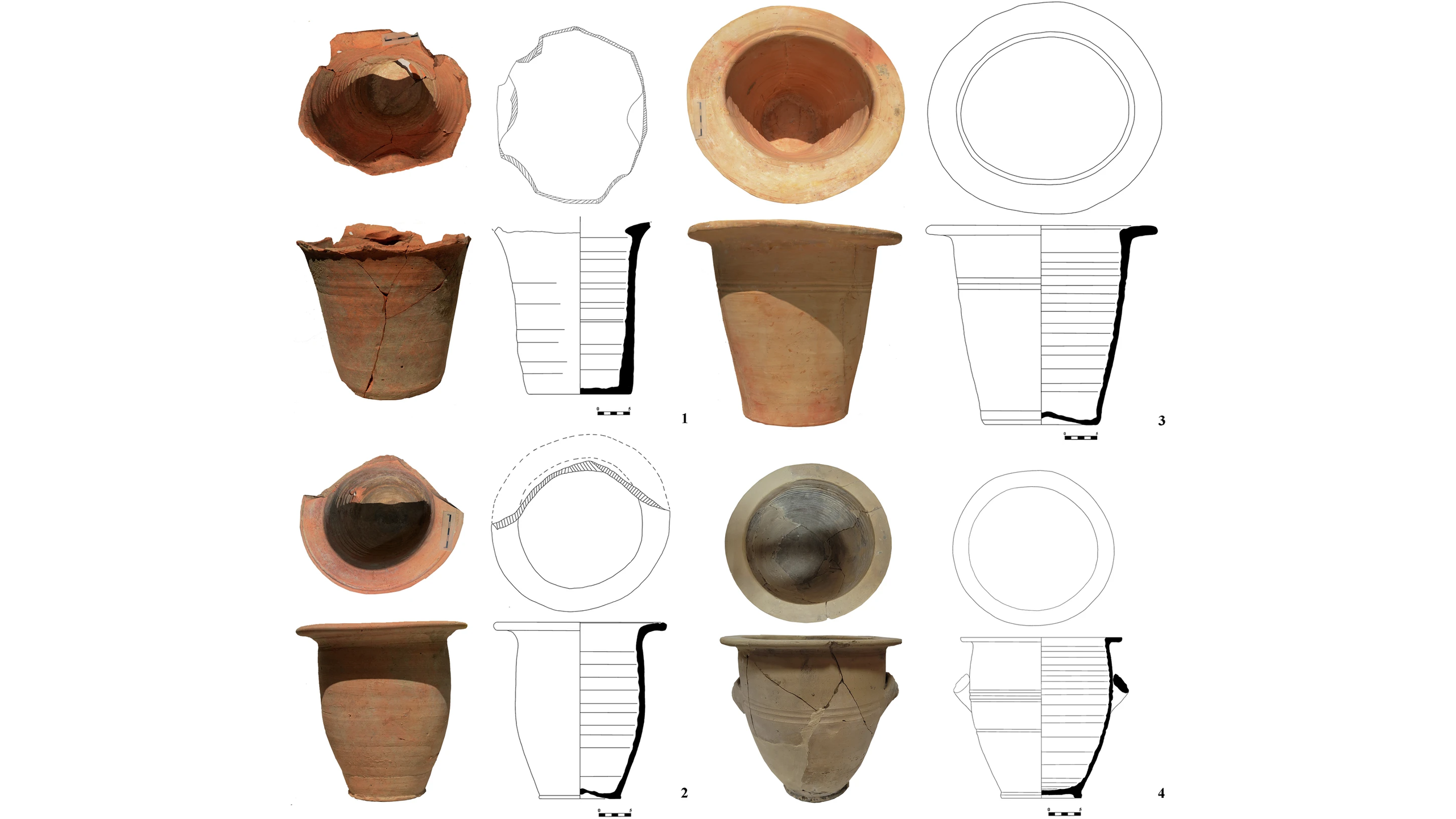
The study of historical pathogens is gaining traction in the realm of public health, particularly as we grapple with the resurgence of diseases once thought to be under control. A recent excavation of chamber pots from a Roman frontier site has provided startling evidence of human infections caused by the Cryptosporidium parasite, known for its role in gastrointestinal illnesses today. This discovery is significant not only for its historical implications but also for its potential to inform contemporary health practices amid ongoing concerns regarding waterborne pathogens.
The research team, led by archaeologists and microbiologists, meticulously analyzed the contents of chamber pots unearthed from ancient Roman settlements. By employing advanced molecular techniques, they were able to isolate and identify DNA from Cryptosporidium, marking these findings as the oldest documented cases of this parasite affecting humans. The sample size included multiple chamber pots from various locations, allowing researchers to draw broader conclusions about the prevalence of this infection during the Roman era.
Cryptosporidium is particularly notorious for causing severe diarrheal disease, especially in immunocompromised individuals, and has been a persistent public health concern in modern times. The historical context provided by these Roman-era findings could enhance our understanding of how sanitation practices—or the lack thereof—contributed to the spread of such diseases. Furthermore, the research highlights the importance of archaeological studies in illuminating the health challenges faced by ancient populations, which can resonate with current public health strategies.
In the broader landscape of infectious disease research, this discovery underscores the significance of examining historical data to inform present-day health policies. Cryptosporidium infections are primarily transmitted through contaminated water sources, and understanding how ancient societies managed their waste can provide valuable insights into modern sanitation practices. As we continue to face challenges related to water quality and disease transmission, these findings serve as a reminder that lessons from the past can guide our present-day interventions.
CuraFeed Take: The revelation of ancient Cryptosporidium infections not only enriches our understanding of historical public health but also emphasizes the ongoing relevance of waterborne diseases in today's world. As health professionals, we must recognize the potential for ancient pathogens to inform our strategies in combating modern infections, particularly in vulnerable populations. Moving forward, it will be crucial to integrate historical insights into our public health frameworks, ensuring that we remain vigilant against the threats posed by gastrointestinal pathogens in all their forms.