As humanity continues to push the boundaries of exploration, the intersection of space research and health is becoming increasingly pertinent. With NASA's Mars Odyssey mission celebrating its 25th anniversary, the event underscores the potential benefits of space-based research on terrestrial health issues. The mission, launched on April 7, 2001, has provided extensive data on Martian geology and climate, but its implications extend far beyond our neighboring planet.
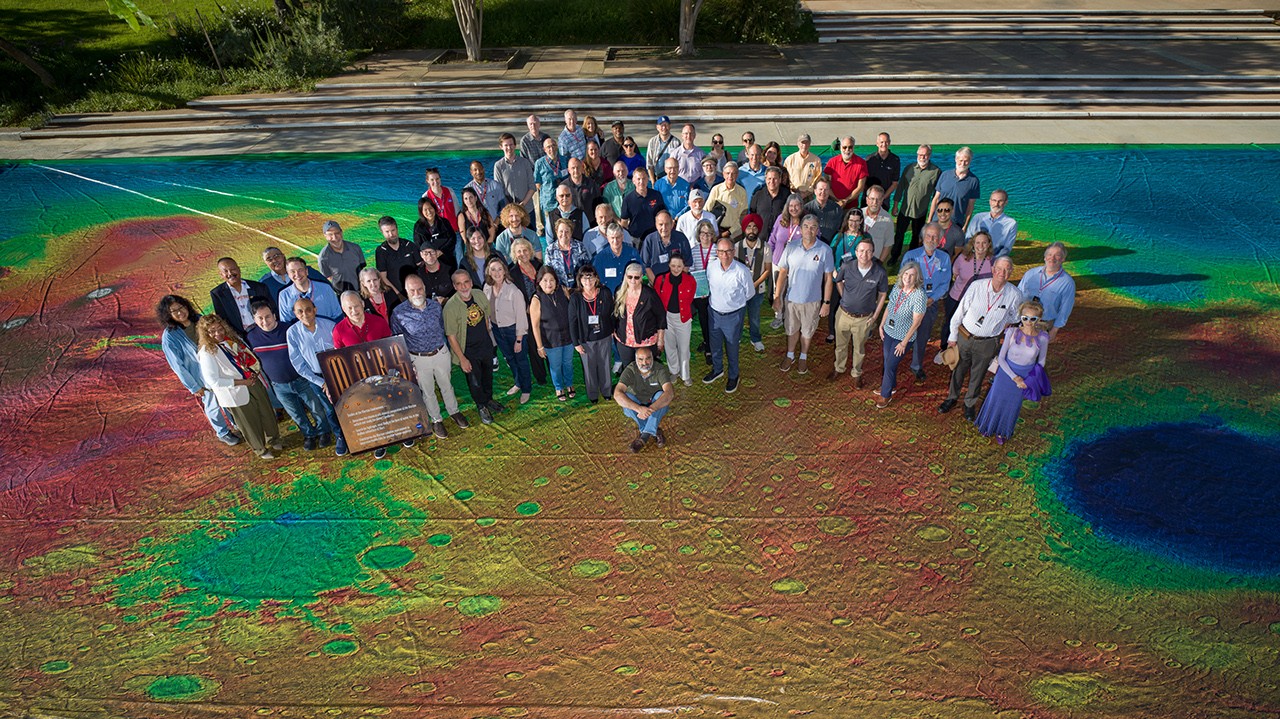
This momentous occasion, celebrated on April 15, 2026, brought together team members—both past and present—from the Odyssey program. The highlight of the event was the unveiling of a detailed global map of Mars created using imagery from the Thermal Emission Imaging System (THEMIS), an instrument aboard the orbiter. This map not only represents a significant technological achievement but also serves as a testament to the collaborative efforts of scientists and engineers dedicated to uncovering the mysteries of the Martian surface.
The THEMIS instrument has allowed researchers to observe and analyze Mars’ surface in unprecedented detail, capturing thermal data and mineral compositions that could parallel studies in human health. For example, understanding how Martian soil and atmosphere interact could potentially inform research on environmental factors affecting human health, particularly in areas exposed to extreme conditions. With a sample size of rich, high-resolution data collected over two decades, the implications for comparative studies could be substantial.
Within the broader context of space exploration, the findings from Mars Odyssey contribute to a growing body of evidence that emphasizes the interconnectedness of health and environmental science. As we face challenges such as climate change and public health crises, the methodologies developed for planetary exploration may offer innovative strategies for monitoring and improving health outcomes on Earth. The parallels between Martian research and terrestrial health studies highlight the necessity for interdisciplinary collaboration, merging insights from astrophysics, geology, and health sciences.
CuraFeed Take: Celebrating the 25-year milestone of the Mars Odyssey mission serves as a critical reminder of the value of interdisciplinary approaches in health research. By leveraging the extensive data collected from Mars, researchers can gain insights into environmental health issues that affect populations on Earth, paving the way for improved treatment methodologies and public health strategies. As we look forward, it's essential to monitor how space research continues to influence health science, opening new avenues for exploration and understanding in both fields.